Why Flower Rose is a Craft Fair Product Designer’s Secret Weapon
Let’s talk about your craft fair table. You’ve got tote bags, aprons, tea towels, caps—all blank canvases waiting for a design that sells. When I review an embroidery file like Flower Rose, I’m not just looking at art; I’m judging a product. This single-trim, line art style design isn’t just a pretty file. It’s a versatile, elegant, and surprisingly powerful tool for the handmade market. Here’s my breakdown from the viewpoint of someone stitching samples for a weekend booth.
First Impression: Elegant Minimalism That Speaks Volumes
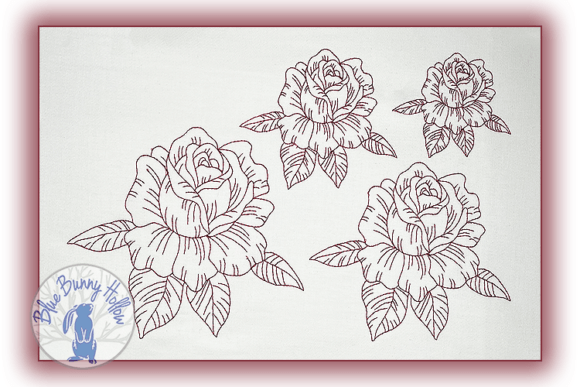
The word “elegance” in the description is spot on. Flower Rose isn’t cute or rustic; it’s decorative and premium. That’s a critical distinction. At a bustling fair, a design that feels sophisticated can stand out amidst more whimsical or festive patterns. It appeals to customers looking for something timeless, not trendy. The line art style, with its suggestion of coloring possibilities, also taps into a modern, minimalist aesthetic that’s hugely popular in home decor and fashion. This gives it immediate versatility.
Where Flower Rose Shines on Your Product Table
Not every design works on every product. But Flower Rose, with its clean outline, is a contender across your entire lineup.
- Tote Bags & Market Bags: This is a prime spot. The design offers a beautiful focal point without being overwhelming. On a natural canvas tote, it looks handmade and artistic, boosting perceived value.
- Aprons & Kitchen Towels: For a farmhouse or modern kitchen vibe, Flower Rose works perfectly. On an apron, consider placing it on the chest pocket area. On tea towels, its elegance turns a utilitarian item into a giftable piece.
- Pillow Covers: A single, well-placed rose on a linen pillow cover screams boutique quality. It’s an easy upgrade that customers visualize in their homes instantly.
- Caps: This is a careful-use scenario. The curved surface of a cap can distort designs, but a simple, open line art rose often handles the curve better than dense fill designs. Test it.
- Embroidered Patches & Pouches: As a patch, Flower Rose is a dream. It’s clear, iconic, and easy to understand at a glance. On a small fabric pouch, it adds a touch of premium detail without clutter.
Practical Production: The Embroidery Designer’s Checklist
Turning a digital embroidery file into a batch of sellable products requires a practical eye. Here’s my real-world advice for using Flower Rose in production.
Scale & Clarity: The line art nature means it likely retains clarity even at smaller sizes for accent placements. However, always test on scrap fabric first. Tiny, intricate details in an outline can vanish on textured towels or dark fabric if the thread contrast isn’t strong. For a bold statement, scale it up as a large focal design on a tote bag—it will photograph beautifully for your Etsy listings and printable mockups.
Stitch Density & Fabric: A single-trim design typically means lower stitch density. This is a major advantage for production. It stitches faster, uses less thread, and is less demanding on stabilizer choices. It works well on thicker fabrics like bag canvas and lighter ones like pillow linen. Always inspect the actual stitch density in your embroidery software before running a batch to avoid surprises.
Batch Production & Consistency: This design feels highly repeatable. Its elegance isn’t fussy, making it ideal for creating a cohesive line of products for your booth. A customer might see it on a tea towel, then recognize it on a pouch, reinforcing your brand consistency. That’s powerful for small shop product lines.
Critical Notes for a Smooth Sell
- Always create at least one real mockup. Hoop a sample tote bag and stitch it. See how the thread color interacts with the fabric color. Does it pop on navy? Does it feel soft on cream?
- Photograph your mockup in good light. A clean line art design like Flower Rose tends to photograph very well, showing crisp handmade quality online and in your booth display.
- Consider thread color strategy. The description mentions “endless possibilities for coloring.” Use this! Offer the rose in a classic black or white for elegance, or in a soft blush or sage for a different mood. This simple variation can multiply your product appeal without new design assets.
- Confirm your commercial embroidery licensing for the digital embroidery file before selling finished products. Never assume.
Capturing Customer Attention & Building Product Value
At the craft fair, your booth’s visual appeal is your first sales pitch. A well-executed Flower Rose on a display tote bag acts as a quiet ambassador. It doesn’t shout; it invites. Customers looking for handmade quality over mass-produced prints will be drawn to its crafted precision. It makes an apron feel like a specialty item, not a generic one. This directly boosts perceived product value and buyer engagement.
For Etsy sellers and digital sellers, this design is a strong foundation. It’s easy to present in mockups across various products, telling a story of versatility. A customer browsing might think, “That rose would look perfect on a pillow,” and you can show them it already does.
Remember, the strength of Flower Rose lies in its simplicity and elegance. It won’t be for every customer, but for those seeking a touch of refined, artistic decoration on their belongings or home, it will be exactly right. It fills a niche in the Outline Flowers category that is both decorative and adaptable, making it a reliable, profitable choice for your embroidery business. Focus on its premium feel, showcase it on products where that feel matters most, and stitch it with care. That’s how a good design becomes a great craft fair product.