Chili Pepper Mini: A Craft Fair Seller's Review
The First Impression: Festive, Fun, and Instantly Recognizable
When you’re preparing for a craft fair, booth design is crucial. Every piece needs to grab attention and tell its story quickly. The Chili Pepper Mini embroidery design does exactly that. My first impression was that this is a festive, fun, and instantly recognizable motif. It feels playful and decorative, with a touch of rustic charm. It isn’t overly complex or elegant; it’s cute and approachable. This is key for handmade market products—customers walking by need to understand what it is and why they might want it in a split second. The "muy caliente" vibe from the description suggests energy, which translates well into a bold, colorful booth display.
Where This Design Will Stand Out on Your Booth Table
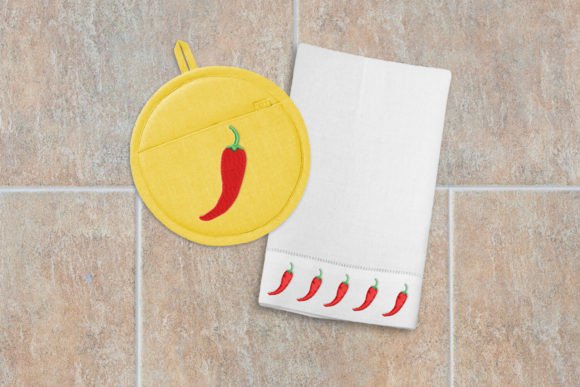
Imagine your table: a mix of embroidered tote bags, aprons, tea towels, patches, caps, and small pouches. The Chili Pepper Mini, being a food-themed design, will naturally cluster well with other kitchen and home items. It will stand out most prominently on apron embroidery and tea towel embroidery. These are classic surfaces where a cute, thematic design feels "correct" to buyers. A row of peppers along the bottom of a market bag or across a pillow cover would create a strong, decorative focal point that looks handmade and intentional. For caps, consider placement—the curved surface favors a single, centered pepper rather than a row. Small fabric pouches or coin purses with a single mini pepper become quick, giftable handmade items.
Product-Specific Performance and Appeal
- Tote Bag Design: A single pepper near the corner acts as a charming accent. A horizontal row of three peppers along the lower front transforms it into a statement piece. This increases perceived value.
- Apron Embroidery: Perfect placement is on the pocket or along the waistband. It feels festive, especially for Cinco de Mayo or general kitchen cheer, and photographs beautifully for online listings.
- Tea Towel Embroidery: This is a prime candidate. The design’s simplicity works with the fabric texture. Consider stitching a pair of towels with mirroring rows of peppers for a set.
- Embroidered Patch: The Chili Pepper Mini could be excellent as a standalone patch, but you must check the stitch density. Very dense areas might make it stiff. Test on scrap fabric first.
- Pillow Covers: Offers a fantastic opportunity for repetition. A scatter of peppers or a neat border can elevate a simple pillow into a boutique maker product.
- Caps: Be mindful of the curved surface. A smaller hoop size might be needed. Ensure the design has enough contrast against the cap color.
Practical Production for the Small Shop Product
From an embroidery business owner’s perspective, production efficiency is everything. The description mentions stitching the design multiple times to create a cute row of peppers. This is a huge selling point for batch production. You can standardize placement and thread colors across multiple products, like a run of tote bags, speeding up your workflow. However, always test the design first. Check the stitch density in the pepper’s body; overly dense areas can pucker on lightweight fabrics like tea towels unless you use the right stabilizer. Tiny details, like a small stem, might lose clarity if you reduce the design size significantly for a tiny pouch. Always create at least one real mockup on your intended fabric—a dark fabric might require brighter thread choices to pop.
For Etsy sellers and digital sellers, the design’s simplicity means it photographs well. It’s not fussy, so it looks clean and professional in listing photos. Creating printable mockups using this design as an asset can also help sell the digital embroidery file itself to other crafters. For commercial embroidery, ensure you have confirmed the commercial licensing terms for the embroidery file before selling finished products.
Essential Designer Notes Before You Stitch
- Always test the machine embroidery design on a scrap of your target fabric (like textured towels or thick canvas for bags).
- Check thread contrast against your fabric colors. A red pepper on a red apron won’t work.
- Review the design spacing if creating a row; measure your hoop size and product area to ensure it fits.
- Inspect stitch density in the file viewer if possible. High density on textured fabrics requires careful stabilizer choice.
- Compare fabric colors in person. A mockup on white might look different on natural linen.
- Confirm the hoop size required. The description doesn’t specify, so you must check the file details.
Boosting Customer Attention and Product Value
At a bustling fair, visual appeal drives buyer engagement. The Chili Pepper Mini offers a cohesive theme. If your booth has a "kitche" or "festive food" corner, this design strengthens your brand consistency. A display of matching items—a pepper towel, a pepper apron, a pepper pouch—creates a powerful vignette that customers notice. It tells a story: "I make fun, usable kitchen goods." This handmade quality feels personal and premium when executed well.
The design’s repeatability means you can offer variations without extra design work, increasing your product range efficiently. A customer might love the single pepper on a cap but also want the row of peppers on a tea towel. This versatility adds immense value to the original digital embroidery file for your business. It’s a craft fair product that can scale from a small accent to a large focal design, adapting to what sells best that weekend.
Final Thoughts for the Creative Entrepreneur
The Chili Pepper Mini is a strong, adaptable design for the handmade shop owner. Its festive, cute nature aligns with specific holidays and general foodie love, giving you multiple selling angles. Its success hinges on practical production: proper testing, fabric selection, and understanding its limits on different surfaces. Focus it on products where it feels native—kitchen textiles and decorative home items—and it will become a reliable, attention-grabbing part of your craft fair booth and your online shop. Remember, the best designs are not just beautiful; they are understandable, producible, and versatile. This one, with careful application, hits all three marks.