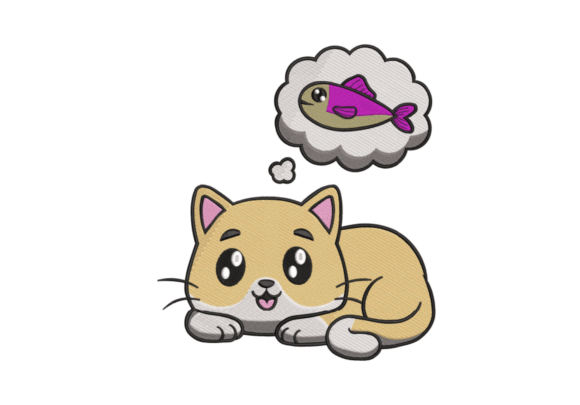
Putting the Dreamy Cat Embroidery Design to the Test
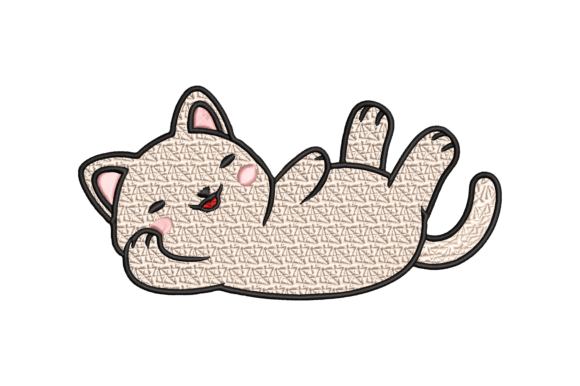
As an embroidery designer who works with real customer orders every day, I'm always on the lookout for digital files that can translate smoothly from screen to stitch. When I first saw the Dreamy Cat design on Creative Fabrica, its whimsical mood immediately stood out. It’s not just a cat; it’s a character with a story—that dreamy, contemplative pose surrounded by playful fish creates a specific decorative appeal. My first impression was that this design had strong potential for personalized gifts and unique handmade products.
The Mood of the Design and Its Natural Project Fit
The visual personality of Dreamy Cat is charming and relaxed. This isn't an aggressive or overly cartoonish design; it feels gentle and imaginative. That makes it a natural fit for projects where warmth and whimsy are key. I immediately thought of nursery decor, baby blankets, and cozy pillow covers. It also has that kind of universal, lovable appeal that works well for kitchen towels or aprons in a handmade shop—items that aren't just utilitarian but are meant to add a cheerful touch to a home.
For Etsy sellers and boutique owners, this kind of design can help build a consistent brand around a certain aesthetic. A Dreamy Cat tote bag or sweatshirt feels like part of a thoughtful collection, not just a random graphic. The design’s detail level from the preview suggests it relies on clean outlines and fill areas, which, if well-executed in the actual embroidery file, should stitch up with clarity.
Considering Dreamy Cat for Real Embroidery Work
Thinking about applying this to actual products, the practical considerations start. For any machine embroidery design, especially one intended for commercial use or selling finished items, you need to think about how it will perform on different surfaces and fabrics.
Apparel and Soft Goods
For custom apparel like sweatshirts or caps, the design's composition is crucial. Does it have areas of extremely dense stitching that might be stiff on stretchy fabric? Are there tiny details that could get lost on a curved cap surface? Without seeing the specific stitch count or file breakdown, my general advice is to always test on scrap fabric first. Use the same material you intend for the final product—a test run on a spare piece of sweatshirt fleece or cap fabric will reveal any issues with puckering or thread coverage.
For baby items or blankets, where softness is paramount, you want to ensure the stitch density isn't so high that it creates a rigid, uncomfortable patch. The dreamy, relaxed mood of the design should be matched by a comfortable finished feel on the fabric.
Home Decor and Tote Bags
On more stable fabrics like canvas for tote bags or linen for pillow covers, density is less of a concern, but detail retention is key. You’ll want to check how fine lines, like the fish outlines or cat details, are rendered. Are they a satin stitch, a running stitch? This affects the texture and durability. For products like kitchen towels that need frequent washing, a robust stitch construction is important. Again, a test stitch-out is your best friend here. Inspect the small details after stitching to see if they hold up visually.
The Question of Patches
Dreamy Cat could make a wonderful standalone embroidered patch. For this application, the design’s edges and overall stability become central. You’d need to assess if the design has a clean border suitable for cutting and applying as a patch. Using proper stabilizer for patch creation is non-negotiable to prevent distortion.
Practical Notes for a Successful Stitch-Out
Before you even load the digital embroidery file, there are steps every professional takes. First, always confirm the file details and licensing on the Creative Fabrica product page before selling finished items. This is your due diligence. Ensure the license permits commercial use of the embroidered product.
Next, consider your fabrics. Compare light and dark fabric mockups mentally. A design with lots of open space or lighter fill areas might need careful thread color selection for dark fabrics to maintain contrast. Does the design rely on the background fabric color for parts of its image (like the cat’s dreamy “world”)? This affects your material choice.
Hoop size is a practical gatekeeper. Check the product page for the minimum required hoop size. If it’s a larger design, it might not be suitable for small baby items or cap fronts. If the size isn’t listed, you’ll have to determine it from the file itself after download.
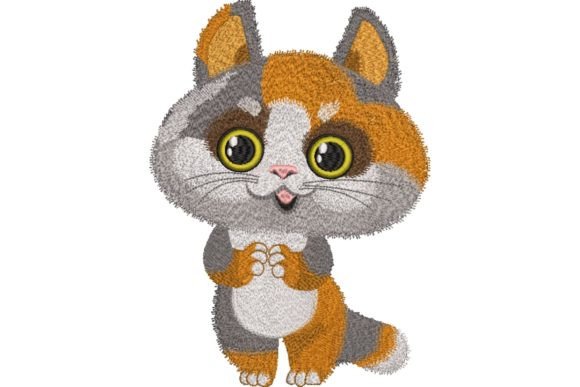
Finally, thread colors. The charm of the design depends on its color palette. Make a note of the main colors shown in the preview and consider if you have the right threads in stock, or if you might want to customize the palette to match a product line.
How Dreamy Cat Affects Product Value and Customer Engagement
From a business perspective, using a design like Dreamy Cat effectively can elevate your handmade presentation. A well-embroidered, unique design adds perceived value. It tells a customer that the item is special, not mass-produced. For giftability, a product with this story-driven image feels more thoughtful—it’s a gift with a narrative.
In product photography for your Etsy listings or craft fair promotions, a clean, charming embroidery stands out. It creates a focal point that draws the eye and can increase customer engagement. It suggests quality and care, which builds buyer trust.
A Final, Honest Assessment
Dreamy Cat from Creative Fabrica appears to be a design with strong decorative appeal and a mood that fits a wide range of projects, from baby blankets to boutique tote bags. Its success in real project use, however, will depend entirely on the technical execution of the embroidery file itself—the stitch density, the clarity of small elements, and its adaptability to different hoops and fabrics.
My recommendation is to approach it as you would any design for commercial embroidery: with careful preparation. Download it, study the file in your software, and run that essential test stitch-out on your target fabric. If the file is well-crafted, this design could become a versatile and beloved asset for creating handmade products that resonate with customers looking for a touch of whimsy and warmth in their everyday items.