Aria Embroidery Design: A Designer's Hands-On Review
Whenever a new design lands in my library, the first thing I do is imagine it stitched out. I’m looking at Aria with that exact mindset—not as a digital file, but as a finished, tactile piece of embroidery. This is an evaluation rooted in the practical realities of running a creative business and fulfilling client projects.
The First Impression: Quiet Charm with a Friendly Touch
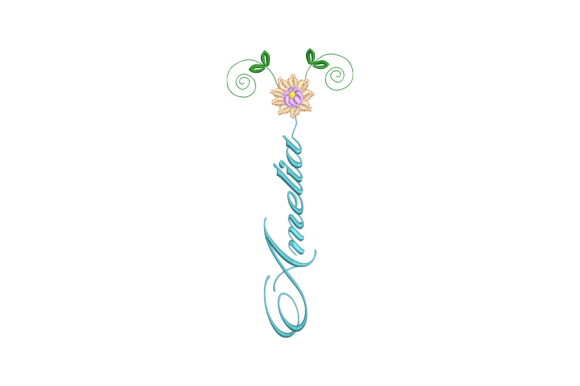
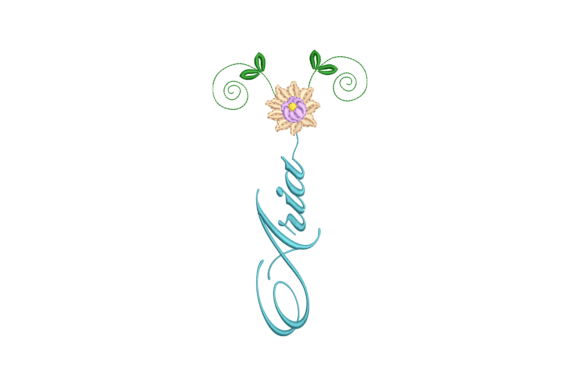
From a design perspective, Aria immediately registers as a piece with adorable charm. The description mentions intricate detail, and that’s the key feeling here. It’s not overly flashy, but it carries a gentle, welcoming personality. The layout and shape suggest a balanced composition, one that wouldn’t overwhelm a garment or home decor item. This is the kind of design that feels familiar and heartwarming, perfectly aligning with the Friends Quotes category. It creates a mood of affection and connection, which is a powerful starting point for any embroidery project aimed at gifts or personalized goods.
The Natural Habitat for Aria
Where does this design naturally belong? My mind goes straight to products where a soft, meaningful touch is paramount. Think of a custom embroidered tote bag for a close friend, a cozy sweatshirt for a small shop’s holiday collection, or a delicate pillow cover for boutique nursery decor. The thematic warmth of Aria makes it an excellent candidate for personalized gifts—a wedding present, a birthday keepsake, or a simple “thinking of you” item. For Etsy sellers and craft business owners, this translates into products that customers buy not just for utility, but for the emotion they convey.
Performance in Real-Life Embroidery Situations
Let’s get practical. How does Aria perform when it moves from screen to stitch?
On stable, medium-weight fabrics like canvas for a tote bag or a cotton pillow cover, it should shine. The intricate details, assuming a well-digitized file, would render with lovely clarity, enhancing the perceived value of the finished product. For custom apparel like sweatshirts or t-shirts, using a robust stabilizer is non-negotiable to maintain that detail on a slightly more textured or stretchy base.
I can also see Aria working beautifully for smaller, cherished items. Embroidered on a baby’s blanket or a kitchen towel, it becomes a decorative accent that feels special rather than generic. This versatility is a real asset for apparel decorators and makers who need a single embroidery design to serve multiple product lines.
Where Caution is Needed
Any experienced embroiderer knows that not every design fits every context. For Aria, the primary consideration will be its detail level. On very small hoop sizes, some of that intricate charm might be lost if the design scales down too much. Tiny lettering or densely stitched areas require perfect tension and sharp needlework.
Similarly, on highly textured or dark fabrics, the visual impact could diminish unless thread color contrast is carefully planned. Stitching it onto a curved surface like a cap would demand a test run on scrap fabric first to check for distortion. And for products destined for frequent washing—like baby clothes or aprons—ensuring the stitch density is secure enough to endure is a must.
The Impact on Your Business and Your Customer
Using a design like Aria isn’t just about the stitch-out; it’s about the entire experience it creates. For a customer, a beautifully executed version of this on a handmade product signals care and quality. It builds customer trust and enhances the giftability of your item. For your brand, consistently offering well-chosen, emotionally resonant designs like this fosters recognition and professionalism.
In a crowded marketplace, the visual appeal and stitching clarity of your embroidery directly affect buyer engagement. A clean, charming Aria on a product mockup for your Etsy listing or printable mockup can be the difference between a scroll-past and a sale. It adds a layer of handmade presentation that mass-produced items lack.
Practical Designer Notes Before You Hoop Up
Before you commit Aria to a client’s project or your next batch of small shop merchandise, here’s my standard pre-flight checklist.
- Always test on scrap fabric first. Use the same material and stabilizer you intend for the final project. This reveals how the satin stitches or fill stitches behave.
- Check thread color contrast. Run a mental preview on both light and dark fabric backgrounds. Sometimes a slight color adjustment makes the design pop.
- Review the effective hoop size. Confirm the design dimensions suit your target product. A design meant for a large tea towel might feel cramped on a tiny patch.
- Inspect the small details. Zoom in on the digital file. Are there any corners or details so fine they might merge or break in stitching?
- Consider licensing. If you plan to sell the finished items or use the digital embroidery file as a commercial design asset, always verify the licensing terms.
- Think about commercial embroidery. If you’re an embroidery service, assess how efficiently this design runs and if it meets your clients’ durability needs.
These steps aren’t just precautionary; they’re part of a professional workflow that ensures every embroidery project, whether a holiday gift or a bulk order for boutique products, meets a high standard.
The Final Verdict for Real-World Use
Aria strikes me as a genuinely useful machine embroidery design. Its charm is its greatest strength, positioning it perfectly for the heartfelt, personalized side of the crafting market. It likely fits a sweet spot—detailed enough to feel special, but not so complex that it becomes a production challenge on suitable fabrics.
For the creative entrepreneur, it’s a design that can anchor a line of friendship-themed products or serve as a reliable, appealing option for custom orders. My advice is to embrace its mood. Let it guide you to products where its friendly personality can truly resonate. Pair it with quality fabrics, thoughtful craftsmanship, and clear product photography. When stitched with care, Aria has the potential to not just decorate an item, but to tell a small, warm story—and that’s exactly what makes an embroidery design worth adding to your working library.