A Designer's Look at the Cute Bunny Baby Embroidery
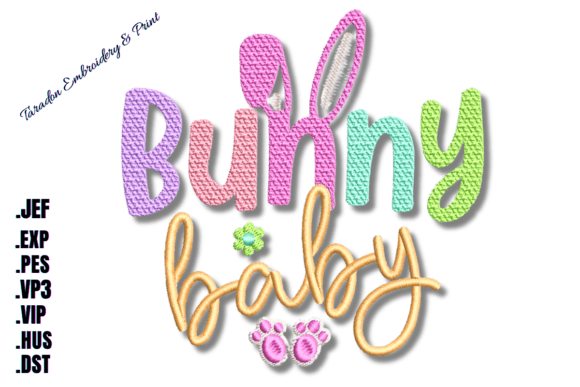
The moment you load the preview for Cute Bunny Baby, you know exactly where it belongs. It’s a design that whispers rather than shouts, creating a gentle, comforting mood perfect for welcoming a new arrival. The theme is classic—that sweet, innocent baby animal look—but the execution feels intentional. There’s a playful softness in the suggested stitches, promising warmth without being overly saccharine. This isn’t just a graphic; it’s a little piece of textile charm.
Where This Bunny Finds Its Home
In practical terms, Cute Bunny Baby is a versatile embroidery design. Its inherent sweetness makes it a natural candidate for baby embroidery projects. Think a delicately stitched corner on a cotton blanket, the focal point on a cozy onesie, or a subtle accent on nursery decor like a linen pillow cover. But its appeal isn’t limited to infants. I immediately pictured it on a classic canvas tote bag for a thoughtful baby shower gift, or as a small, joyful motif on the cuff of a women’s knit sweater. For a small shop product, it could beautifully personalize a set of kitchen towels for a “new home” gift bundle.
I recently considered it for a custom order—a premium organic cotton baby sweatshirt for a boutique client. The design’s personality felt right: not too cartoonish, not too realistic, just heartwarming. In a mockup, it translated perfectly to the left chest area, suggesting it would stitch out cleanly without overwhelming the garment’s simple style. For Etsy sellers and makers, this is a design that elevates a basic item into a handmade product with a clear, emotional appeal.
Careful Placement for a Perfect Stitch
While versatile, Cute Bunny Baby demands a thoughtful approach. The description hints at “intricate yet playful stitches,” which tells me the detail level is likely more refined than bold. This means on very textured fabrics like some sweaters or boucle, finer details might get lost. On thin or stretchy fabric, like a standard t-shirt, using the correct stabilizer is non-negotiable to prevent puckering around those potentially denser areas.
On dark fabric, you’ll need to be strategic with thread color contrast to maintain that warmth and joy. A simple test on scrap fabric is essential. I’d also be cautious about placing it on highly curved surfaces like the front of a cap unless the design’s stitch density is confirmed to be suitable for such a shape. For products destined for frequent washing—baby clothes, kitchen towels—ensuring the stitching is secure and the thread quality is good will preserve that handmade presentation and customer trust.
Beyond the Stitch: The Business of a Bunny
From a business perspective, this design adds value. It’s inherently giftable, which is a huge advantage for craft business owners. When a customer sees this embroidered on a blanket or a tote, they perceive care and intention. It strengthens brand consistency for a shop specializing in gentle, family-focused goods. For apparel decorators, it’s a reliable, crowd-pleasing option for custom apparel for grandmothers, parents, or friends.
In your Etsy listings or printable mockups, showing this design on a variety of products—a baby blanket, a simple apron, a linen pillow—can significantly boost buyer engagement. It shows the design’s utility. The clarity of the stitched image, assuming the file is well-digitized, contributes directly to a professional finish that makes your finished product look polished, not amateur.
A Designer’s Practical Checklist
Before running this machine embroidery design for a real project, here’s my mental checklist:
- Always test the design on scrap fabric first, using the same material and stabilizer as the final project.
- Review the actual embroidery file to understand the stitch density and identify any tiny details that might need special attention.
- Check thread color contrast for your specific fabric background—consider testing a black and white mockup to see the form clearly.
- Confirm the required hoop size. A design like this often shines in a smaller hoop, making it ideal for compact items.
- If you are an embroidery designer selling finished items or using it in commercial embroidery, verify the licensing terms for the digital embroidery file. Don’t assume.
- Consider how it will look as an embroidered patch—could that be a product option for your shop?
Ultimately, Cute Bunny Baby feels like a dependable design asset. It’s not a flashy trend piece, but a timeless, emotive design that, when stitched well on the right product, tells a story of warmth and joy. It’s the kind of design that makes the embroiderer and the recipient smile—and that’s the core of a successful embroidery project.